As we traverse through our days, our eyesight may vary, often prompting the need for fresh approaches to boost clarity and comfort. Progressive lenses have emerged as a popular choice for individuals looking for a fluid change between diverse focal points. Dissimilar to standard bifocals or reading lenses, progressive lenses offer a continuous gradient of visual correction, permitting wearers to have clear vision at every range—from nearby tasks like reading to distant visuals such as driving. This creative design has revolutionized the way many deal with their daily visual challenges.
However, becoming accustomed to progressive lenses can be a singular adventure, and many individuals question how to adjust swiftly and efficiently. Whether you've recently been recommended to transition to progressive lenses or are already using them and facing discomfort, grasping the intricacies of their usage is crucial. This text will delve into key themes such as the differences between reading glasses and progressive lenses, the advantages of selecting progressives instead of bifocals, and aspects to take into account for wearers with unique needs like astigmatism, or individuals who have had cataract surgery or LASIK. Come with us as we explore the realm of progressive lenses and understand how to excel in visual clarity across all distances.
Adapting to Progressive Lenses
Adjusting to multifocal lenses can be a unique experience for several individuals. The transition involves getting used to the various sections of vision they provide, where each part is intended for varied distances. At first, wearers may face some discomfort or difficulty in focusing, especially when shifting their gaze from far to near or the other way around. It is crucial to give yourself a bit of time to get adjusted to these lenses and work on using them in different settings.
One effective way to adapt more quickly is to intentionally practice gazing through different parts of the lenses for specific tasks. For example, use the bottom portion for text comprehension and the top portion for distance viewing. Incorporating these practices into your daily routine can help reinforce the normal movement your eyes need to make when using progressive lenses. Keep in mind that consistent use will enhance your level of comfort and visual clarity over time.
If you find that getting used to progressive lenses is especially challenging, consider discussing your experience with your eye care provider. They can provide tailored advice or recommend gradual adjustments through lens modifications or alternative prescriptions. Remember, the goal is to determine the most suitable solution for your vision needs, ensuring that adjusting to progressive lenses becomes a smooth journey toward improved sight.
Analyzing Lenses Choices
When considering sight correction, patients often are confronted with selecting between reading glasses, two-prescription lenses, as well as multifocal lenses. Single-vision glasses are basic, single-vision glasses created exclusively to assist with close-up work, thereby making them ideal to use in pursuits including reading and needlework. However, they necessitate ongoing switching while transitioning into distance viewing, and this is a hassle for many. Conversely, dual-vision lenses offer a combination of close-up and far vision but have a visible line that may be diverting and may limit the field of vision.
Multifocal lenses offer a seamless transition among multiple focal points, enabling distinct vision for near, intermediate, and far sight lines without the disturbance of visible lines. Such a configuration renders them a popular option among individuals wanting a more visually appealing plus functional alternative. A lot of those find that the progressive change in focal power assists them adjust to changing viewing demands as they age, and understanding the differences among these options may significantly improve their entire happiness.
If those contemplating a transition to progressive lenses, it's essential to weigh the benefits and drawbacks of every option considering daily activities, optical demands, as well as individual tastes. While dual-vision lenses might still work for some, progressive lenses often provide a newer alternative that accommodates a wider range of pursuits free from the inconvenience of constant adjustments. At the end of the day, the choice among reading glasses, dual-vision glasses, as well as progressives relies on specific optical needs and lifestyle demands.
Post-Surgery Points
After having lens operation, many people reflect on transitioning to progressive lenses to address their sight needs. Progressive lenses can provide a smooth shift between various focal distances, suitable for those who have faced changes in their ocular following surgery. It's essential to consult with your optical professional to decide the best time for this switch, as your sight may need some time to heal before adjusting into a fresh optical correction.
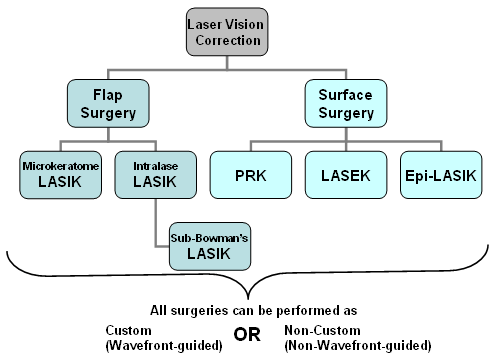
For those who have had refractive surgery, multifocal lenses can additionally be helpful. Since LASIK reshapes the front part of the eye to adjust vision errors, some individuals still notice that they want different focal lengths for activities such as studying or working on a computer. Progressive Lenses Not Working For Me can give a remedy, allowing people to view clearly at various distances without having to use various pairs of glasses. It's recommended to pause a designated time after LASIK before considering the requirement for multifocal lenses to ensure the highest potential vision.
People wearing progressive lenses may encounter parched eyes, notably after any kind of ocular surgery. This condition can be exacerbated due to the healing process or drugs used after the procedure. It's crucial to keep track of any symptoms of dehydration and address them with an vision specialist, who may advise soothing eye drops or other therapies to relieve discomfort. Adequate care and adaptation techniques will assist guarantee a easier transition to multifocal lenses following surgery.
Addressing Common Challenges
Adjusting to progressive lenses can bring their own set of challenges. One typical issue is experiencing unease or unusual sensations while wearing them. For people who are unfamiliar to these lenses, it may take time for the mind to acclimate to the various zones for far, intermediate, and near sight. To help facilitate this adjustment, it is helpful to try wearing the lenses in various environments throughout the day, progressively increasing the duration as ease grows. Additionally, making sure that your lenses are correctly adjusted and that the prescription is correct can significantly enhance the transition period.
One more issue is managing sight problems like astigmatism while using progressive lenses. For individuals with astigmatism, it's crucial to select lenses specially designed to correct for this condition. These specialized lenses help correct the warping caused by astigmatism while offering the multifocal capabilities that allow for clear sight at all distances. If dry eyes accompany the wear of progressive lenses, applying rewetting drops or switching to a more ventilated lens type can offer relief and improve overall ease.
Finally, for individuals considering a transition to progressive lenses, it’s important to consider the advantages of progressive lenses compared to traditional bifocals or reading glasses. While bifocals offer distinct separation for distance and near vision, progressive lenses offer a seamless transition between various focal points without obvious lines. https://www.healthline.com/health/eye-health/lasik-for-astigmatism can enhance visual comfort and aesthetics, making them a better choice for many individuals. Grasping these aspects and tackling any issues promptly can significantly enhance the experience of wearing progressive lenses.